
Nepeta (Catmint)
Catmint: Meet Your Garden’s Most Versatile, Drought-Tolerant Perennial
Catmint, botanically known as the genus Nepeta, ranks among the most versatile and easiest flowering plants you can have in your garden. This hardy perennial from the mint family combines soft texture, generous bloom, and reliable growth in one refined package. When you plant Catmint, you add structure, color, and movement without creating extra work for yourself.
At DutchGrown, we offer a carefully selected Catmint collection chosen for strong growth, refined color, and reliable performance. Explore our collection to find the Catmint that best suits your US garden, so you can plant with confidence and enjoy lasting results season after season.
Showing 1 - 2 in 2 items
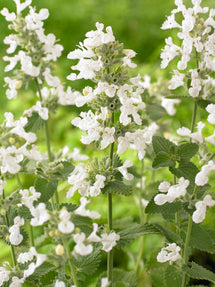
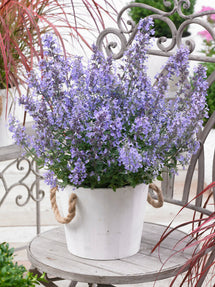
The Enduring Charm of Catmint
Many gardeners value the Nepeta Catmint plant for its year-after-year performance. This perennial handles heat and dry conditions with ease and is hardy in USDA Zones 3-9. Once established, Catmint proves drought-tolerant and dependable, making it a wise choice for gardens across the US.
This garden plant's charm lies in contrast. The soft mounds of silvery-green foliage support airy stems topped with lavender-blue flowers that can grow up to 20 inches. Flowers begin in late spring and often continue into early fall, creating a long blooming season that feels effortless. The lavender blue tones pair beautifully with Roses, Peonies, and ornamental grasses, especially in cottage gardens.
Catmint also offers a practical advantage: it attracts pollinators such as bees and butterflies, which makes it ideal for wildlife-friendly gardens. Its fragrant foliage not only deters deer and rabbits but also releases a refreshing scent when brushed against, enhancing your outdoor space with its sensory appeal.
What Are the Uses of Nepeta?
You can use Nepeta in more ways than most perennials. Its flexible growth habit and drought tolerance make it well-suited to common garden challenges.
Where Catmint works best:
- Borders and edging: Plant Catmint along walkways or front borders. Its rounded shape softens hard lines and creates a sense of flow.
- Underplanting Roses: The lavender blue flowers highlight Rose blooms and cover bare stems.
- Mass planting: Use Catmint in generous drifts for a calm, cohesive look.
- Rock garden settings: Its roots handle lean soil with good drainage.
- Containers: Compact types thrive in containers when you provide well-draining soil.
- Curbside strip: Combine it with other drought-tolerant perennials such as lavender, salvia, agastache, sedums and ornamental grasses.
Beautiful Companion Plants
A Catmint plant shines when you pair it thoughtfully. You create balance by combining texture, height, and bloom timing. Strong companions include Roses, Alliums, Salvia, Lavender, Echinacea, and ornamental grasses. Plant in groups rather than as single new plants.
A Hue for Every Home: From Walker’s Low to Snowflake
Not all Catmint looks the same. Nepeta includes species from regions such as northern Iran, and modern selections refine size and bloom. At DutchGrown, you can find the following varieties:
- Nepeta “Junior Walker”: This is a compact, low-growing perennial renowned for its aromatic gray-green foliage and abundant lavender-blue flowers. This cultivar is a sterile dwarf form of “Walker's Low.”
- Nepeta “Snowflake”: This charming perennial is celebrated for its profusion of white flowers and aromatic, gray-green foliage.
How to Grow Thriving Catmint
You grow Catmint successfully by starting with the right location and soil. Here is how to do it:
- Location: Plant Catmint in full sun for the strongest bloom, though it tolerates partial shade.
- Soil: Choose well-draining soil to prevent root rot.
- Planting depth: Dig a hole deep enough to accommodate the root. Set the roots so the crown sits level with the soil surface.
- Water: Water thoroughly after planting, then reduce once established.
How to Care for Nepeta?
Caring for Nepeta Catmint stays simple and predictable. Just follow the tips below:
- Water: Keep the soil lightly moist in the first season. Established plants thrive with less water and remain drought-tolerant.
- Deadheading: Trim lightly after flowering to encourage further blooms and maintain a tidy shape.
- Division: Every few years, divide mature clumps to create new plants and maintain vigor.
- Winter care: Ensure the soil does not stay wet to prevent root rot.
Buy Top-Quality Nepeta Bare Roots at DutchGrown
When you choose Catmint for your garden, quality matters. At DutchGrown, we select strong, top-size bare roots suited for confident planting and lasting results. Founded in 1882 and still family-run, we bring generations of experience to every Nepeta plant we offer.
We focus on dependable varieties that thrive in full sun, support pollinators, and complement other perennials. Explore our Catmint collection and choose the varieties that fit your space. With the right start, your garden will reward you with graceful lavender-blue blooms, healthy growth, and structure that returns every season. We ship throughout the United States.
Frequently Asked Questions About Catmint
Does Nepeta like Sun or Shade?
Nepeta thrives best in full sun to produce its signature dense, vibrant blooms, silvery-green foliage and airy stems. While it is highly adaptable and tolerates partial shade, less sun often results in leggier growth and fewer flowers.
Where Is the Best Place to Plant Catmint?
The best place to plant Catmint is a spot with full sun and well-draining soil. While it survives in partial shade, maximum sunlight ensures a compact shape and prolific blooming. It is exceptionally hardy in USDA zones 3–9, making it a resilient choice for a wide range of climates. Avoid soggy areas, as this drought-tolerant perennial prefers drier feet to prevent root rot.
Are Cats Attracted to Nepeta?
Cats are highly attracted to Nepeta. The plant produces nepetalactone, a natural compound that triggers a euphoric response in about 70% of cats. Catmint is non-addictive and generally safe, although excessive consumption can cause mild digestive upset.
Does Catmint Come Back Every Year?
Catmint is a reliable perennial that returns year after year when grown in USDA hardiness zones 3–9. With minimal maintenance and adequate sunlight, these resilient plants will regrow more vigorously each spring, offering years of consistent color and fragrance.