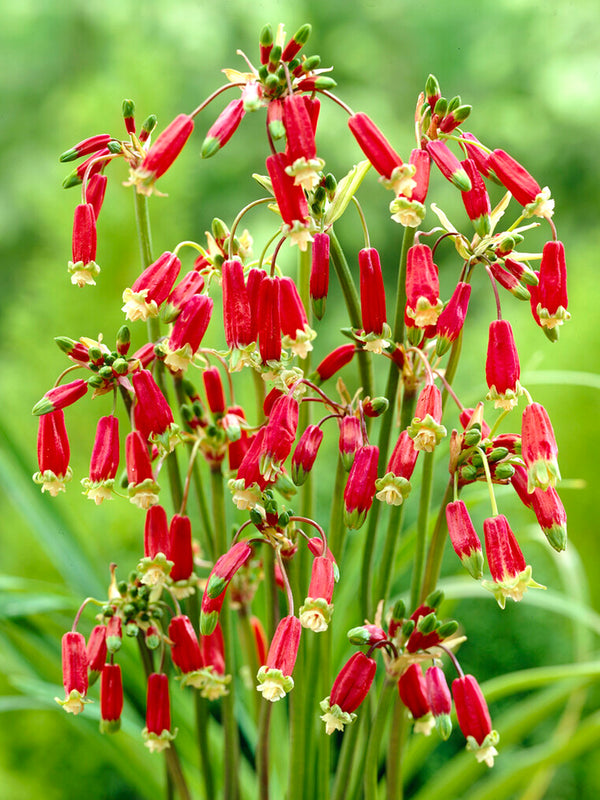
Dichelostemma (Firecracker Flower)
Dichelostemma: Whimsical Wildflower Beauty for Your Spring Garden
Dichelostemma is a genus of exceptional perennial plants that brings effortless elegance and dramatic flair to your landscape in the United States. Often recognized by its common name, the Firecracker Flower, this genus stands out for its sculptural beauty and resilience.
At DutchGrown, we offer top-sized, premium flower bulbs that guarantee an impressive display of these striking blooms. We carefully select every bulb to ensure exceptional vigor and superior performance in your garden. Explore our collection of premium bulbs and elevate your outdoor space with these extraordinary North American native plants.
Showing 1 - 2 in 2 items
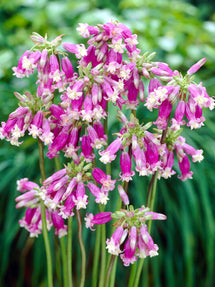
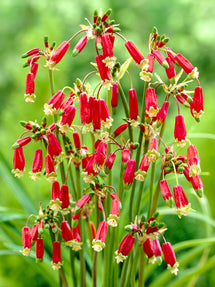
Dichelostemma, also known as Firecracker Flower
Discover Dichelostemma: The Unique Native Gem For Your Garden
Dichelostemma is a genus of hardy herbaceous perennials that belong to the cluster-lily subfamily within the asparagus family. Native to Western North America, these plants flourish in diverse habitats across California and extend north into Oregon and parts of Canada.
These resilient plants grow from underground corms (sweet-potato-like tubers) rather than true bulbs. Gardeners value these species because they naturally form colonies over time, filling gardens with elegant, long-lasting color, especially in borders, gravel gardens and natural-style plantings. The plant is hardy in USDA Zones 5-8.
Architectural Stems & Vivid Clusters: The Striking Look of Dichelostemma
The defining feature of the Dichelostemma plant is its distinctive, minimalist growth habit. Each plant produces long, narrow, grass-like leaves from its base in the spring season.
Rising well above the foliage, the leafless flowering stem is strong, slender, and can grow remarkably tall with a height of 18-24 inches, depending on the variety. The stem supports the dense flower clusters at the summit.
Long Tubular Flowers in Blue, Purple and Red
The individual flowers are typically bell-shaped or long, tubular. Their colors span a vibrant spectrum from deep blues and purples to intense crimson red. Hummingbirds are attracted to these flowers, helping to make your garden a welcome habitat for them.
From Rock Gardens to Wildflower Meadows: Is Dichelostemma Right for You?
Dichelostemma is a versatile plant that works beautifully in several garden designs, offering ecological value alongside its aesthetic charm:
- Rock Gardens and Gravel Beds: Because they require excellent drainage, these plants thrive in gravelly, sharply drained soil.
- Wildflower Meadows: When planted in large groups, they naturally form colonies that replicate the sweeping look of California coastal grasslands.
- Pollinator Magnets: The bright, nectar-rich flowers are highly attractive to bees, butterflies, and other vital beneficial insects.
- Hummingbird Attractors: Specific species are perfectly adapted for bird pollination, drawing hummingbirds directly to your yard.
- Low-Maintenance Gardens: Once established, they require little maintenance and can naturalize under favorable conditions.
Explore Varieties: Dichelostemma Congestum to Dichelostemma Capitatum
While the genus contains several fascinating species, distinct variations exist in their color, structure, and native habitats. Dichelostemma “Congestum”, for example, produces tight, compressed, rounded clusters of deep purple to blue flowers in late spring. Dichelostemma “Capitatum”, frequently referred to as “Blue Dicks” or “Wild Hyacinth”, features flexible, generally curved stems topped with dense, head-like open umbels of pale blue to rich violet flowers.
At DutchGrown, we provide top-quality selections so you can experience the best forms this genus has to offer:
- Dichelostemma “Red Empire”: With pendulous red blooms tipped with yellow, this variety is a favorite feast for hummingbirds.
- Dichelostemma “Pink Surprise”: This variety's pendulous pink blooms, tipped with yellow, are a favorite for hummingbirds.
How to Plant and Grow Dichelostemma?
Success with Dichelostemma starts with the correct planting conditions. Follow these guidelines to ensure your corms thrive, or follow our growing guide “How to Grow Dichelostemma?”:
- Time: Plant the corms in the fall, allowing them enough time to establish their roots before the ground freezes for winter. Plant when the soil temperature is 60 °F or lower.
- Location: Choose a spot that receives full sun. Maximum sun exposure ensures strong stems and prolific flowering.
- Soil: Select a site with loose, well-drained soil to prevent bulb rot.
- Depth and Spacing: Dig a hole and plant each corm 3 inches deep, ensuring the pointed end faces upward. Give them good room by spacing them 4 to 6 inches apart so the cluster can expand.
- Water: Apply moderate water during their active growth. As the plant finishes blooming in late spring, reduce watering.
- Pot Culture: When planting in containers with limited space, you may try planting the bulbs closer together, but ensure there is always a small gap between them.
- Aftercare: Once the Dichelostemmas have finished blooming, do not immediately remove the foliage. Allow the plant to go into a dry summer dormancy period. Wait until it has completely withered and turned yellow before cutting it off.
Explore Premium Dichelostemma Bulbs at DutchGrown
When you choose to enhance your garden with rare and beautiful flowers, it is advisable to start with superior plant material. At DutchGrown, you will find high-quality Dichelostemma corms that possess the energy required for strong stems and abundant blooms. We ensure that your order is handled with care and delivered straight to your door in the United States. Invest in the unique architectural beauty of the Firecracker Flower by selecting from our premier collection.
Frequently Asked Questions About Dichelostemma
What Is the Common Name for Dichelostemma?
The common name for Dichelostemma varies by species, but it is most widely known as the “Firecracker Flower” or “Wild Hyacinth”. Certain varieties are also commonly called “Blue Dicks”. These plants earn their vibrant nicknames from their striking, tightly clustered blooms that add a burst of playful color and whimsical charm to any spring garden.
What Is the Difference Between Dichelostemma and Dipterostemon?
Dichelostemma and Dipterostemon represent a classic botanical update. Historically, the popular wildflower known as “Blue Dicks” was classified as Dichelostemma “Capitatum”. However, modern genetic studies revealed it is entirely distinct from its peers. The main difference is structural: Dipterostemon has six fertile, pollen-producing stamens, whereas true Dichelostemma species have only three.
How to Plant Dichelostemma Bulbs?
To plant Dichelostemma bulbs (corms), choose a sunny spot with excellent, well-drained soil. Dig a hole and plant each corm 3 inches deep with the pointed end facing up. Space them 4 to 6 inches apart to give them good room to grow. Water moderately during spring. You can find more information in our growing guide “How to grow Dichelostemma”.